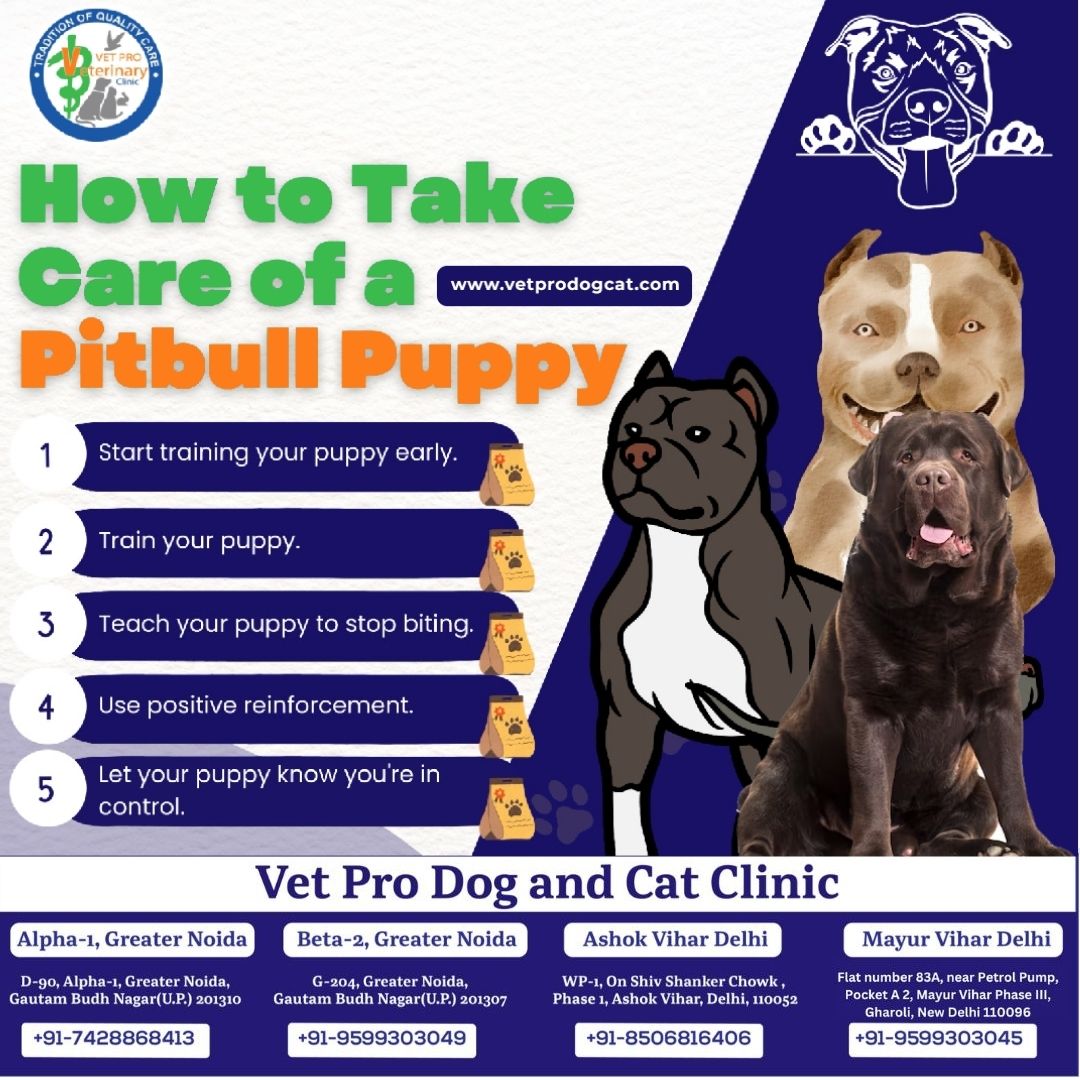
The Essential Guide to Raising a Pitbull Puppy: Training, Health, and Socialization
Introduction
Congratulations on welcoming a Pitbull puppy into your life! Few breeds are as loyal, affectionate, and eager to please as the American Pit Bull Terrier and its bully-breed cousins. Yet these puppies also come with a powerful mix of energy, sensitivity, and intelligence — meaning the way you raise them during their first year will shape the adult dog they become.
This guide is built on real-world experience with veterinary recommendations, behavioral science, and insights from responsible Pitbull owners. If you want a confident, well-socialized, emotionally balanced Pitbull, this roadmap will walk you through everything that matters: health, training, behavior, socialization, and myth-busting.
Section 1: The First 24–48 Hours — Bringing Your Pitbull Puppy Home
1.1. Pre-Arrival Preparation
Before your puppy takes their first pawstep inside, set the stage for calm, safe acclimation:
Essential Supplies
-
A sturdy crate sized for growth (with divider)
-
Soft bedding that’s washable
-
Stainless-steel water and food bowls
-
Durable chew toys (rubber or nylon)
-
Puppy-safe treats
-
Collar + ID tag + flat leash
-
Enzyme cleaner for accidents
Puppy-Proofing Your Home
Pitbull pups are curious, mouthy, and nimble. Prepare by:
-
Removing exposed wires or covering them with cable guards
-
Securing trash cans and cleaning supplies
-
Blocking access to balconies or stairs
-
Removing small objects that can be swallowed
-
Setting a designated potty spot outdoors
Think of it as preparing a nursery — but for a high-energy, exploring toddler with teeth.
1.2. The Initial Acclimation
Safe Travel
Always bring the puppy home in:
-
A secured crate, or
-
A lap-free, harness-secured car seat
Pitbull pups can get easily overstimulated, so calm transport matters.
Introducing the Crate (The First Positive Association)
-
Toss treats inside and let them explore voluntarily.
-
Keep the crate door open initially.
-
Feed meals inside the crate so it becomes a “good things happen here” zone.
Designating a Safe Zone
Create a quiet corner with:
-
A crate
-
A water bowl
-
A comfort toy or blanket
This area becomes their sanctuary — not a punishment space, ever.
1.3. First Night Success
The first night can set the tone for the weeks ahead.
Managing Separation Anxiety
Pitbull puppies are deeply attachment-driven. To reduce overnight distress:
-
Place the crate beside your bed.
-
Offer a warm blanket or a toy scented with the breeder’s home.
-
Use soft reassurance without taking the pup out unless necessary.
Sleep Schedule
Expect:
-
2–3 potty breaks during the night
-
Whining that decreases as comfort increases
-
A structured bedtime routine (last potty → crate → dim lights → quiet)
Consistency is your strongest tool.
Section 2: Health & Veterinary Care (Must-Knows)
2.1. The Critical Vaccination Schedule
Pitbulls can be prone to parvo, making timely vaccines non-negotiable.
Core Vaccines (Typical Schedule)
-
6–8 weeks: Distemper, Parvo, Adenovirus, Parainfluenza (DHPP)
-
10–12 weeks: DHPP booster
-
14–16 weeks: Final DHPP booster
-
16+ weeks: Rabies (per local law)
-
Annual: Booster as advised by your vet
Lifestyle Vaccines
Recommended based on environment:
-
Bordetella (Kennel Cough)
-
Leptospirosis
-
Lyme (high-tick zones)
Ask your vet to tailor a schedule based on local disease prevalence.
2.2. Parasite Prevention
Pitbull puppies need consistent internal and external parasite protection.
Deworming
Covers:
-
Roundworms
-
Hookworms
-
Whipworms
Typical schedule: Every 2 weeks until 12 weeks, then monthly.
Flea & Tick Prevention
Safe products include:
-
Oral chews (monthly)
-
Spot-on treatments
-
Puppy-safe collars (vet-approved)
Never use dog products on puppies without confirmation of safety.
2.3. Nutrition for Growth — The Fuel
Pitbull puppies grow fast and need balanced nutrition to prevent joint issues and obesity.
What to Feed
-
High-quality puppy formula
-
Preferably large-breed appropriate (controlled calcium)
-
Protein-rich (meat as first ingredient)
Feeding Schedule
-
8–12 weeks: 3–4 meals/day
-
12–24 weeks: 3 meals/day
-
6 months+: 2 meals/day
Avoid free-feeding; bully breeds can easily overeat.
Hydration Tips
-
Fresh water available 24/7
-
Monitor intake to prevent bloating from excessive chugging
2.4. Spay/Neuter Timing
Many vets recommend delayed spay/neuter (around 12–18 months) for medium-to-large breeds to protect:
-
Bone growth
-
Joint development
-
Hormone-regulated behavior
Benefits include reduced:
-
Roaming
-
Marking
-
Certain cancers (pyometra, testicular)
Section 3: Foundational Training & Socialization
3.1. Potty Training Mastery
Consistency beats intensity.
When to Take Your Puppy Out
-
Immediately after waking
-
After playing
-
After eating or drinking
-
Every 1–2 hours
Positive Reinforcement
Praise and treat as the puppy finishes, not after returning indoors.
Handling Accidents
-
No punishment
-
Interrupt gently (“uh-uh”), then guide outdoors
-
Clean with enzyme cleaner to remove scent markers
3.2. Crate Training: The Safe Den
Make the Crate a Reward Zone
-
Feed meals inside
-
Offer long-lasting chews during crate time
-
Never use it for punishment
Duration Guidelines
-
8–10 weeks: 30–45 minutes
-
10–12 weeks: 1–2 hours
-
3–4 months: 2–3 hours
-
5+ months: Up to 4 hours (max)
Pitbulls crave closeness — crate training is a balancing act between independence and security.
3.3. Essential Obedience Commands
Teach foundational commands using lure-reward and short (5–8 min) sessions.
Core commands:
-
Sit
-
Stay
-
Come (most critical for safety)
-
Down
-
Leave It
Use real-life reinforcement:
-
Sitting = door opens
-
“Leave it” = gets rewarded with something better
This creates obedience rooted in trust, not fear.
3.4. The Crucial Socialization Window (3–16 Weeks)
This period shapes temperament for life.
Expose Your Puppy To:
-
Different people, sizes, clothing styles
-
Surfaces (grass, tiles, gravel, sand)
-
Controlled dog interactions (vaccinated puppies)
-
Household sounds (vacuum, blender)
-
Car rides, parks, basic grooming
Handling Practice
Touch paws, ears, mouth, tail daily so vet visits remain stress-free.
Managing Stress
-
Keep exposures short and positive
-
Avoid overwhelming environments
-
Reward curiosity, not fear
Section 4: Pitbull-Specific Needs & Myths
4.1. Managing High Energy Drive
Pitbulls love movement — but controlled movement.
Appropriate Exercise
-
Short walks (avoid long runs before 1 year)
-
Safe tug-of-war
-
Fetch sessions with soft landing areas
Mental Stimulation
-
Puzzle feeders
-
Sniffing games
-
Hide-and-seek with toys
Pitbulls tire faster mentally than physically — use this to your advantage.
4.2. Dispelling Common Misconceptions
Pitbulls suffer from unfair stigma.
The Reality
-
Pitbulls are not inherently aggressive
-
Poor breeding, lack of training, and owner negligence create behavior problems — not the breed
-
Studies show temperament scores equal or better than many popular breeds
Raising a well-socialized Pitbull is a responsible way to help break the stigma.
4.3. The Importance of Bite Inhibition
Teaching gentle mouth control prevents future issues.
Training Method
-
When the puppy bites too hard during play, let out a brief “ouch!” and freeze.
-
Redirect immediately to a chew toy.
-
Reward soft mouth behavior.
Consistency builds self-control.
Section 5: Troubleshooting Common Puppy Challenges
5.1. Nipping and Biting
-
Offer chew alternatives (rubber toys, teething sticks)
-
Use gentle redirection instead of punishment
5.2. Excessive Chewing/Destruction
Find the root cause:
-
Teething: Provide frozen washcloth toys
-
Boredom: Increase enrichment
-
Anxiety: Use crate or playpen boundaries
Rotating toys keeps them interesting.
5.3. Jumping Up
Use the Four on the Floor rule:
-
Ignore the jumping
-
Reward the moment all paws touch the ground
-
Ask for a “sit” as the default greeting behavior
Conclusion
Raising a Pitbull puppy is a rewarding journey rooted in health, training, and socialization. If you stay consistent, patient, and positive, you’ll shape a confident, loving adult dog who thrives in every environment.
Remember: every puppy develops at their own pace. When in doubt, consult your veterinarian or a certified trainer. Seeking expert support is not just responsible — it’s an investment in your dog’s future.